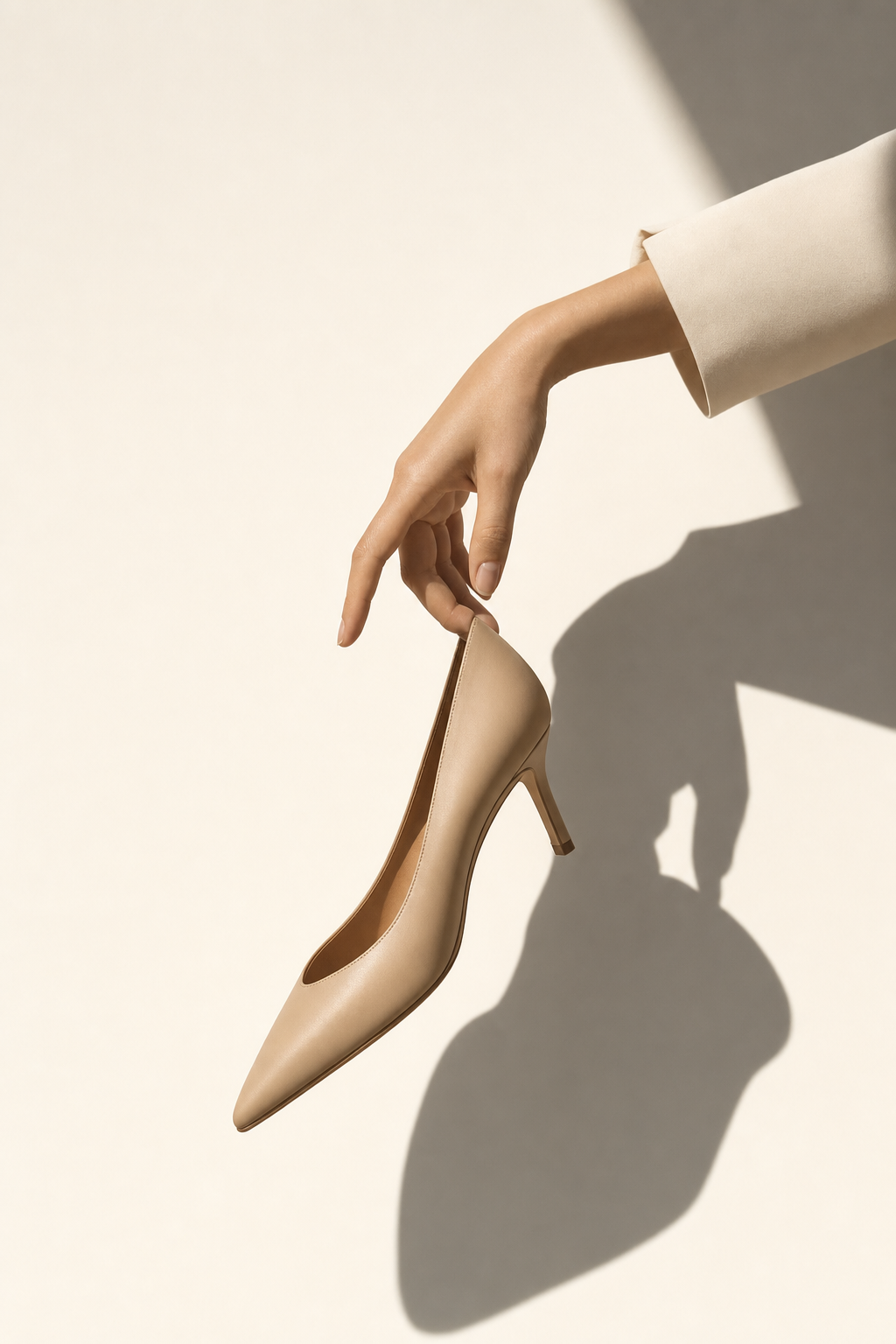
ATP Atelier is the most expensive brand we routinely recommend, which makes “is it worth it” the fair question. The short answer: yes, for a specific person, and no for everyone else — and the brand’s marketing does not draw that line clearly, so we will.
How we assess. Block & Point is research-led and reader-funded. This review draws on ATP Atelier’s published construction and material specifications, its own sizing guidance, and the recurring themes in publicly available customer reviews. We have not run a controlled wear test and do not claim to; where we estimate longevity, that is a judgement from construction type. See our affiliate disclosure for how the site is funded.
Verdict in Brief
Rating: 4.5 / 5 — for the buyer it is built for.
The vegetable-tanned leather and resoleable construction are genuine, unusual at this price, and the reason the shoe gets better rather than worse. The deductions are for a real breaking-in period the brand undersells, and a price that only makes sense over a long horizon.
Buy it if you keep shoes for years, will actually maintain them, and want something that improves with age.
Skip it if you need comfort immediately, rotate footwear every couple of seasons, or wear heels only occasionally.
What You’re Actually Paying For
Vegetable-tanned leather. The tanning process takes weeks rather than hours and produces a hide that ages rather than degrades. In practice: the leather darkens and develops a patina, softens where your foot flexes, and gradually takes your shape instead of simply wearing out. This is the core of the proposition and it is real.
A replaceable sole. The leather-soled styles can be resoled by any competent cobbler, for a fraction of replacement cost, several times over. Almost nothing else in the Nordic range offers this — Flattered, Roccamore and most of Vagabond all use bonded rubber soles that end the shoe’s life when they wear through.
A standard, generous last. Not a fashion-narrow shape. This is why ATP Atelier appears in our wide-feet edit despite not marketing itself as a wide-fit brand.
Where It Falls Short
The breaking-in period is real and undersold. Two to three weeks of occasional wear before the leather softens. Not painful, but genuinely stiff, and if you buy these for an event next week you will have a bad evening. The brand’s marketing emphasises the material story and skips this part.
The value case is conditional and rarely stated. Patina, moulding and resoling all require regular wear over years. Buy these and wear them six times a year and you have paid a premium for durability you will never consume. This is the single most important thing to be honest with yourself about before ordering.
Not the most comfortable option, even after breaking in. Once softened they are genuinely comfortable, but they are shaped for the eye first. If comfort is the deciding factor rather than a constraint, Roccamore and Flattered both beat it.
Sizing
True to EU sizing, with half sizes across much of the range. Narrow feet occasionally take half a size down. It is one of the safest Nordic brands to order without trying on — see the sizing guide for how to measure properly first.
Prioritise the mules and open styles if width is a concern; the leather also stretches roughly half a size at a cobbler, which is more give than suede or synthetics offer.
Cost Per Wear, Honestly
The arithmetic is what the argument turns on. A $320 pair worn weekly for ten years with one resole is a genuinely cheap shoe. The same pair worn monthly for three years is an expensive one. Nothing about the construction changes — only how you use it.
If you are unsure which of those you are, you probably aren’t the buyer for this brand, and the comparison with Flattered lays out the cheaper alternative properly.
The Bottom Line
ATP Atelier does something unusual at its price: it sells a shoe designed to be maintained rather than replaced. If you are the kind of person who will maintain it, it is among the best values in the directory. If you are not, it is simply an expensive heel, and there are better ways to spend $300.
Read next: the full brand guide, or the care routine that the value case depends on.